Posted on

Life cycle analysis of natural graphite

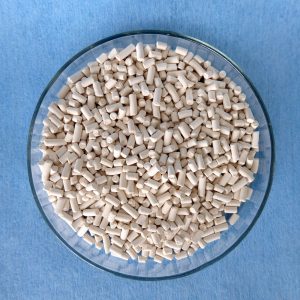
Natürliches Graphitgranulat aus einer österreichischen Mine

DOI: 10.13140/RG.2.2.19123.59682

In the production of lithium-ion batteries, not only lithium is a crucial raw material, but also graphite. The widespread use of graphite is attributed to its low price, natural availability, high energy and power density, and long lifespan. This makes graphite a very advantageous choice for anodes in lithium-ion batteries.

As alternatives to lithium-graphite anodes, silicon anodes have been explored in recent years due to their high theoretical capacity, availability, and low cost. However, issues such as volumetric expansion and reliability reduce the chances of successful commercialization, especially in electric vehicles.

Battery-grade anode active material is derived from naturally mined or synthetic graphite. Graphite from natural ores generally has lower production costs but also lower purity and quality. Its anisotropic crystal structure can impair performance in lithium-ion batteries, even though it often allows for higher capacities. However, this advantage typically comes with a reduced lifespan.

In contrast, synthetic graphite is more expensive to produce but offers significantly higher purity and consistency. Synthetic graphite is obtained from carbon precursors such as petroleum coke or coal tar. Due to its higher purity, it accounted for a higher market share of 60% of global revenue in 2025. The higher revenue share is also attributed to higher prices.

Due to its isotropic crystal orientation, synthetic graphite possesses better thermal stability, lower thermal expansion, and faster lithiation kinetics. As a result, it provides overall stronger battery performance and a longer lifespan, although it typically has lower capacities.

As the global battery market grows, its supply chain must also be robust and sustainable. Canada has rich resources of natural graphite, which is mined and processed in the province of Quebec. To better understand the environmental impacts of this new supply chain, a sustainability analysis was conducted for one graphite mine and one graphite processing facility in Quebec by researchers at Concordia University in Montreal. The results were recently published in the journal MDPI Batteries.

The study integrated site-specific data on mining and processing (2022–2025) with Ecoinvent in OpenLCA and mainly focuses on the potential for greenhouse gas (CO₂ equivalents) reduction and water usage.

The researchers showed that the production of one ton of anode-capable graphite in Quebec generates approximately 1.44 tons of CO₂ equivalents. This is significantly less than the 9.6 tons of CO₂ generated per ton of Chinese graphite. Therefore, the sustainability analysis in Quebec indicates a significant reduction in carbon intensity.

The modeled chain included open-pit mining through drilling, blasting, and hauling, as well as processing through crushing, grinding, flotation, and dewatering. Finally, the final processing of anode-capable graphite through micronization and spheronization, acid leaching purification, and carbon coating, followed by finishing and packaging, was also investigated. Spheronization converts the concentrate into spherical graphite granules to enhance bulk density and packing efficiency in the anode. Significant by-products are generated, e.g., as fine particles.

Within the processing facility in Quebec, micronization and spheronization, as well as purification and coating, are the most energy-intensive steps. Acid leaching purification also represents the largest single contributor to CO₂ and water scarcity impacts. However, the very low carbon intensity of the grid (hydropower) significantly mitigates the footprint of these electrical loads. In contrast, natural gas used for high-temperature purification and coating remains the largest direct source of CO₂.

The CO₂ emissions from mining are mainly caused by diesel in trucks and heavy equipment. Detailed equipment data showed that hauling dominates fuel consumption. Water impacts at the concentrator are elevated due to flotation and waste treatment. However, a closed water system and dedicated wastewater treatment reduced fresh water intake and stress from waste effluent.

The researchers also interpreted the results of their sustainability analysis to assess impacts, identify sustainability focal points, and determine the phases with the highest resource intensity and the highest emissions profiles. This analysis facilitated the representation of environmentally burdensome intermediate steps. Natural gas used for purification and coating in the processing facility was the largest source of CO₂, followed by diesel and electricity consumption.

In addition to graphite, the extraction of lithium and trace elements also plays a significant role in the sustainability of batteries. However, these were not the focus of the study. Nevertheless, graphite dominates the market for anode materials, accounting for up to 98% of the market share, while Li4Ti5O12 makes up only about 2%.

The study concluded with an integrated synthesis of the results and provided targeted recommendations for process optimization, emission reduction, and improving sustainability throughout the entire supply chain. This systematic and transparent methodology ensured a robust assessment of the environmental impact of the production of anode-grade graphite.

Despite the significant reduction in CO₂ emissions compared to graphite extraction and processing in China, the research highlights further opportunities for improvement. In particular, electrification of mining equipment to reduce diesel consumption and minimizing or substituting natural gas consumption during cleaning and coating at the facility could further decrease CO₂ emissions.

At Frontis Energy, we are closely monitoring the decarbonization and diversification of supply chains and provide products from various sources

Vegh, et al., 2026, Toward sustainable anode materials: LCA of natural graphite processing in Québec, MDPI Batteries, 12, 68. DOI: 10.3390/batteries1202006

Image: Natural graphite from an Austrian mine

Posted on

Bioelectrically engineered fuel produced by yeasts

Yeasts such as Saccharomyces cerevisiae are, as the name suggests, used for large scale production of beer and other alcoholic beverages. Their high salt and ethanol tolerance not only makes them useful for the production of beverages, but also suitable for the production of combustion fuels at high alcohol concentrations. Besides ethanol, long-chain fusel alcohols are of high interest for biofuel production as well. Bioethanol is already mixed with gasoline and thus improves the CO2 balance of internal combustion engines. This liquid biofuel is made from either starch or lignocellulose. The production and use of bioethanol supports local economies, reduces CO2 emissions and promotes self-sufficiency. The latter is especially important for resource-depleted landlocked countries.

In order to efficiently produce ethanol and other alcohols from lignocellulose hydrolysates, yeasts must use both glucose and pentoses such as xylose and arabinose. This is because biomass is rich in both lignocellulose and thus glucose and xylose. However, this is also the main disadvantage of using Saccharomyces cerevisiae because it does not ferment xylose. Consequently, the identification of another yeast strains capable of fermenting both these sugars could solve the problem. Highly efficient yeasts can be grown in co-cultures with other yeasts capable of lignocellulose fermentation for ethanol production. Such a yeast is, for example, Wickerhamomyces anomalous.

To further improve ethanol production, bioelectric fermentation technology supporting traditional fermentation can be used. The microbial metabolism can thus be controlled electrochemically. There are many benefits of this technology. The fermentation process becomes more selective due to the application of an electrochemical potential. This, in turn, increases the efficiency of sugar utilization. In addition, the use of additives to control the redox equilibrium and the pH is minimized. Ultimately cell growth can be stimulated, further increasing alcohol production.

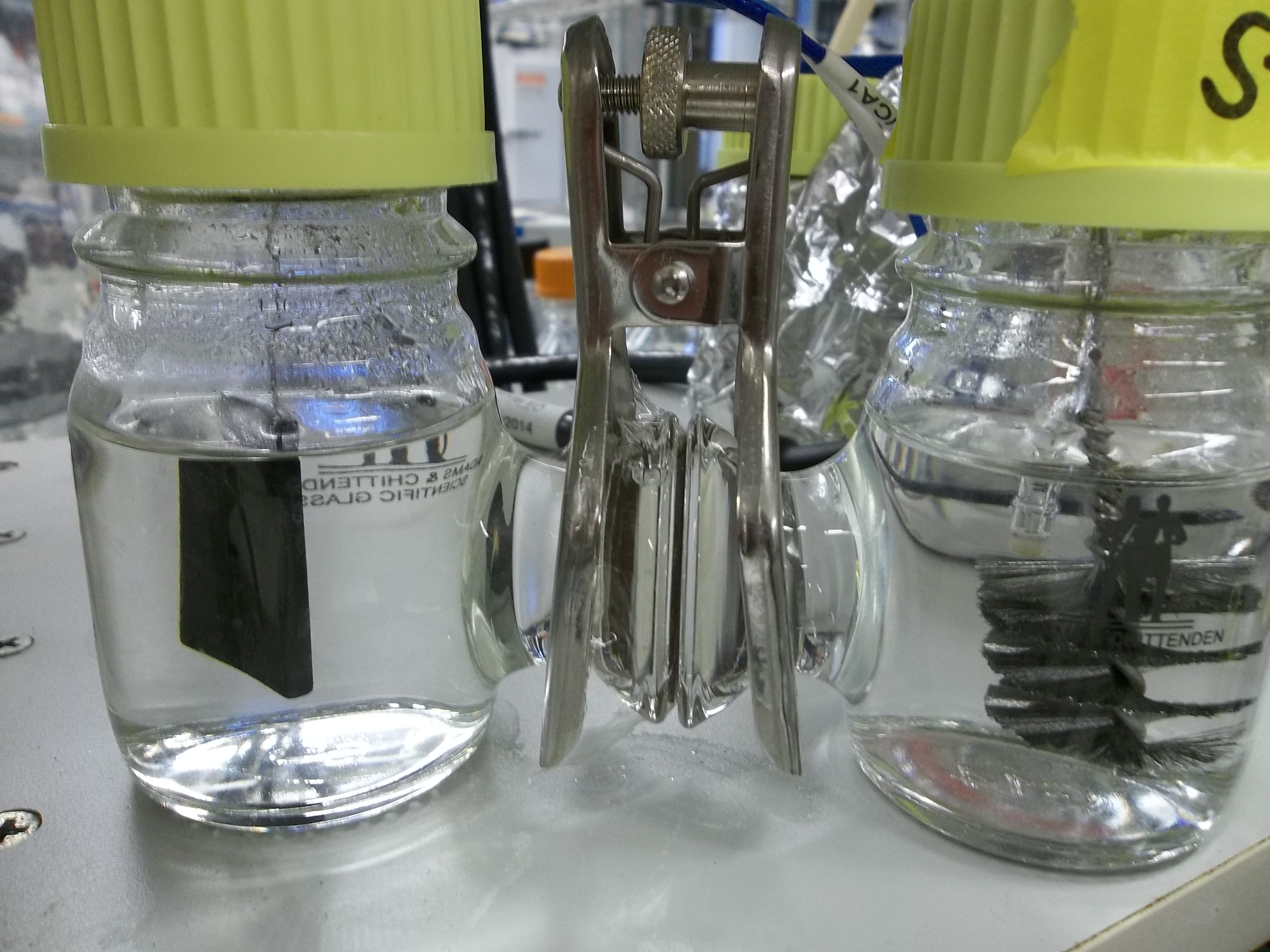
Such bioelectric reactors are galvanic cells. The electrodes used in such a bioelectric reactor may act as electron acceptors (anodes) or source (cathodes). Such electrochemical changes affect the metabolism and cell regulation as well as the interactions between the yeasts used. Now, a research group from Nepal (a resource-depleted landlocked country) has used new yeast strains of Saccharomyces cerevisiae and Wickerhamomyces anomalous in a bioelectric fermenter to improve ethanol production from biomass. The results were published in the journal Frontiers in Energy Research.

For their study, the researchers chose Saccharomyces cerevisiae and Wickerhamomyces anomalus as both are good ethanol producers. The latter is to be able to convert xylose to ethanol. After the researchers applied a voltage to the bioelectrical system, ethanol production doubled. Both yeasts formed a biofilm on the electrodes, making the system ideal for use as a flow-through system because the microorganisms are not washed out.
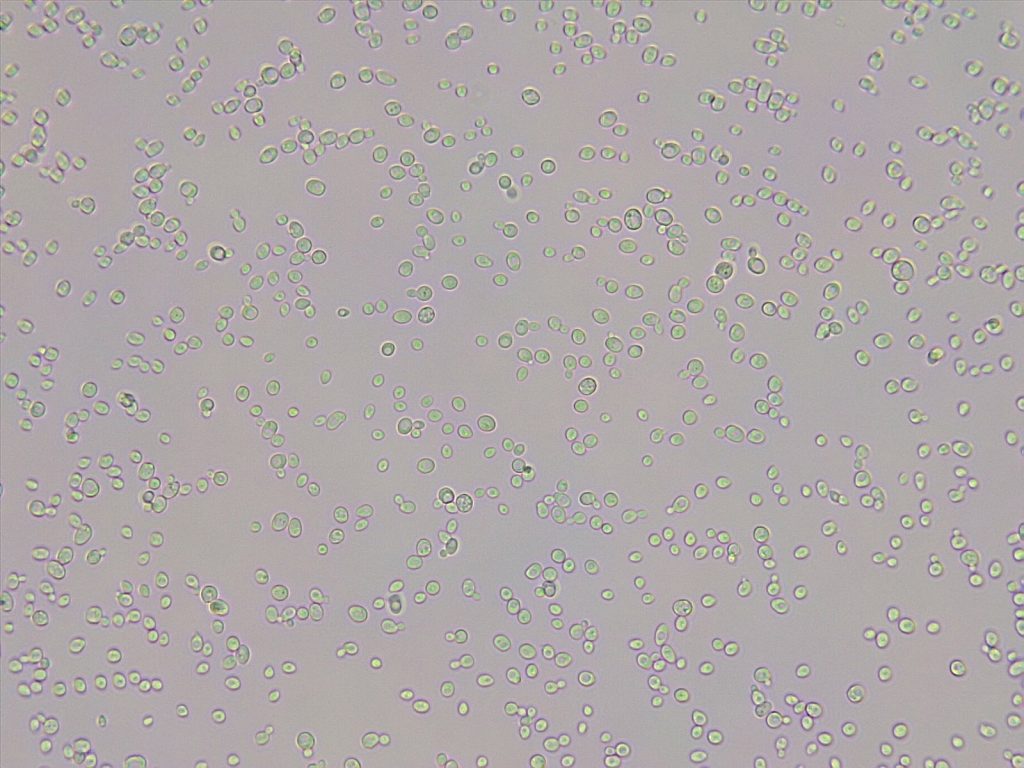
Saccharomyces cerevisiae cells in a brightfield microscopic image of 600-fold magnification (Foto: Amanda Luraschi)

The researchers speculated that the increased ethanol production was due to the better conversion of pyruvate to ethanol − the yeast’s central metabolic mechanism. The researchers attributed this to accelerated redox reactions at the anode and cathode. The applied external voltage polarized the ions present in the cytosol, thus facilitating the electron transfer from the cathode. This and the accelerated glucose oxidation probably led to increased ethanol production.

Normally, pyruvate is converted into ethanol in fermentation yeast. External voltage input can control the kinetics of glucose metabolism in Saccharomyces cerevisiae under both aerobic and anaerobic conditions. Intracellular and transplasmembrane electron transfer systems play an important role in electron transport across the cell membrane. The electron transfer system consists of cytochromes and various redox enzymes, which confer redox activity to the membrane at certain sites.

The authors also found that an increased salt concentration improved conductivity and therefore ethanol production. The increased ethanol production from lignocellulosic biomass may have been also be due to the presence of various natural compounds that promoted yeast growth. When the cellulose acetate membrane was replaced by a Nafion™ membrane, ethanol production also increased. This was perhaps due to improved transport of xylose through the Nafion™ membrane as well as the decrease of the internal resistance. A further increase of ethanol production was observed when the bioelectrical reactor was operated with fine platinum particles coated on the platinum anode and neutral red deposited on the graphite cathode.
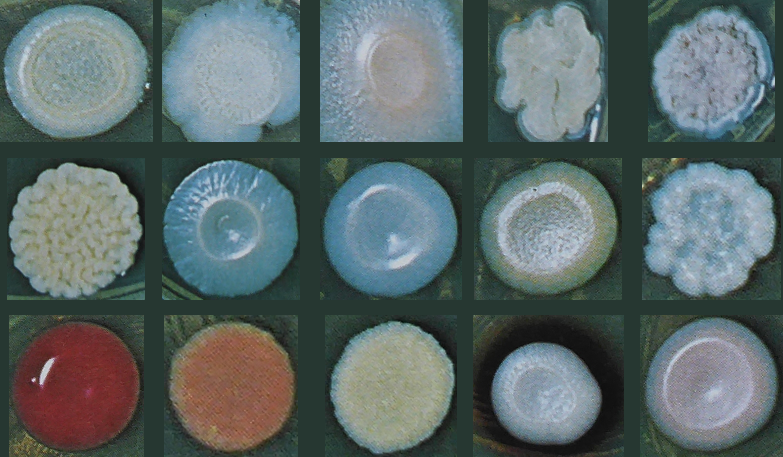
Several yeast cultures from left to right: Saccharomyces cerevisiae, Candida utilis, Aureobasidium pullulans, Trichosporum cutaneum, Saccharomycopsis capsularis, Saccharomycopsis lipolytica, Hanseniaspora guilliermondii, Hansenula capsulata, Saccharomyces carlsbergensis, Saccharomyces rouxii, Rhodotorula rubra, Phaffia rhodozyba, Cryptococcus laurentii, Metschnikowia pulcherrima, Rhodotorula pallida

At Frontis Energy, we think that the present study is promising. However, long-chain fusel alcohols should be considered in the future as they are less volatile and better compatible with current internal combustion engines. These can also be easily converted into the corresponding long-chain hydrocarbons.